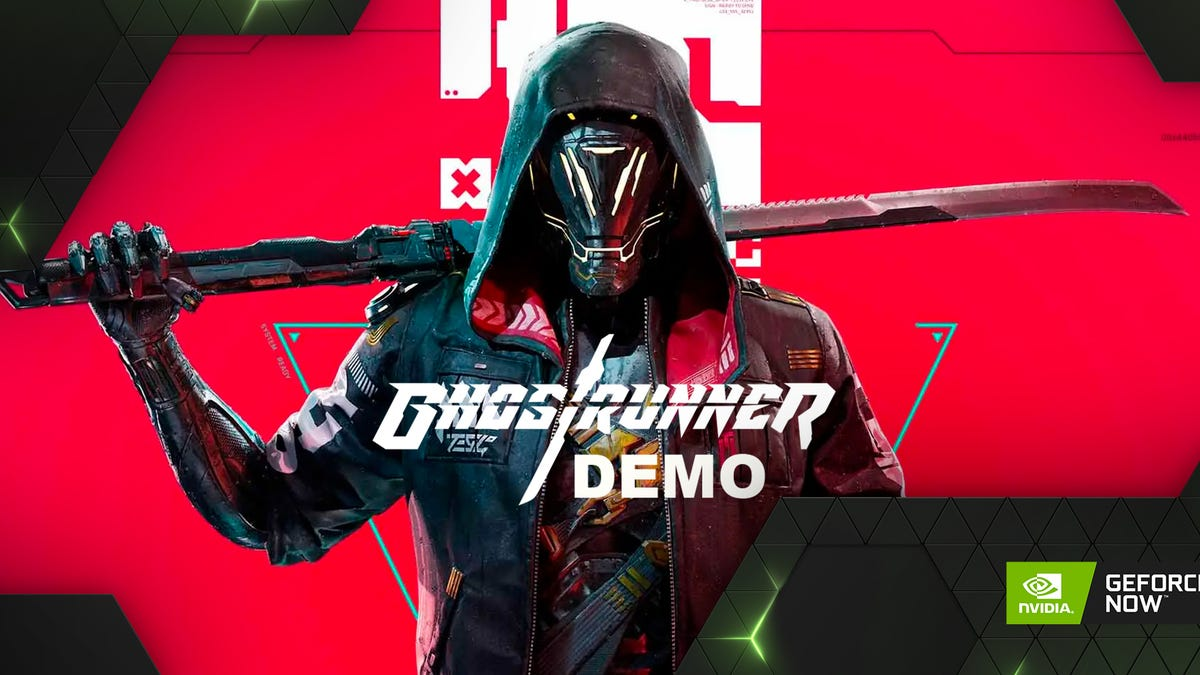
Game demos are as important to a successful game marketing strategy as trailers and advertising. They enable developers to establish a connection with their target audience early on while turning interested players into buyers. A game demo is more than a condensed snapshot of your game, it should be polished, free of bugs, and thoughtfully tailored to create a captivating first impression in anticipation of your full release.
In this article, we’ll explore what game developers should keep in mind when preparing to release a demo and how the right demo can attract not only an audience for a release but also the attention of potential publishers and investors.
How to create the best demo
When executed effectively, game demos have been shown to boost popularity on Steam, paving the way for a successful game launch. They can also boost conversions, especially for demos that introduce the game's narrative. Yet, much like crafting a compelling trailer, there are many factors to consider when launching a game demo, like appealing to your target audience and deciding how much of your game you wish to reveal.
What kind of demo do you need?
Game demos can be divided into two main categories:
Publishder demos and Public demos. Understanding what each does and how it benefits your game’s promotion can help you decide which is best suited to your game.
- Publisher demos are tailored for pitch meetings and potential partnerships. They typically highlight a game's mechanics in their raw form, even before content and visuals receive their final polish. These demos serve as a way for publishers to gain a solid understanding of the game's intended direction, presenting crucial story elements from the game's beginning, middle, and end.
- Public demos aim to showcase your game's mechanics and style to players while also garnering interest in the full game through story introduction. The most commonly used form is a prologue. These specialized demos offer just enough of the game's narrative to captivate players without revealing too much of the plot. This strategic approach ensures that players become acquainted with the gameplay mechanics, all while leaving them excited to dive into the complete storyline by purchasing the full version after release.
Deciding which type of demo to release depends on the stage of development you find yourself in. As you approach the launch phase, directing your efforts towards a public demo can effectively engage your established target audience and immerse players in your game's narrative, should it feature one. However, if you're still in the early stages of development and in search of an investor, a publisher demo is your optimal choice.
Best practices for publisher demos
Ensure your publisher demo shows off your game’s bug-free, core gameplay loop, that works on the systems and screen resolutions that the publisher has available. Aim to show off a vertical slice that is about 80% mechanics-focused and 20% content-focused. Your demo should be an excellent example of what you intend your game to be, showcase your team’s developmental ability, and show that your studio can hand in deliverables on time and within budget.
Best practices for public demos
When preparing a public demo, you’re promoting your game to a wider community with a goal to leave a lasting impression on your target audience. While the technical aspects and narrative should be highlighted, don’t forget about the "fun factor" of your game. Why should players want to buy your game?
From making sure your audience doesn't have to navigate an array of menus, to cutting back on extensive tutorials before they can begin enjoying the demo, engaging your audience effectively and bringing enjoyable elements closer to the forefront of their experience can influence more players to buy your release.
Show off your core gameplay
Much like a publisher demo, your public demo should provide a snapshot of your game's core gameplay loop. The goal is to offer your audience a taste of what your game is all about, and your focus should be on presenting your core gameplay loop clearly and enticingly.
.png)
Consider Lost In Play’s demo as an example. It provides players with a puzzle-filled, dreamlike adventure that’s both accessible and captivating. It not only showcases the game’s puzzle-solving elements but also highlights its warm, inviting world. By offering just enough gameplay to spark curiosity, Lost In Play’s demo encourages players to dive deeper into the full experience.
Ways to level up your demos
A well-crafted game demo should encompass three essential aspects: replayability, carry-over elements, and just the right amount of story.

Replayability shines through in demos like Resident Evil VII, where each playthrough unveils intriguing story Easter eggs that keep players engaged and buzzing with excitement until the full game's release.
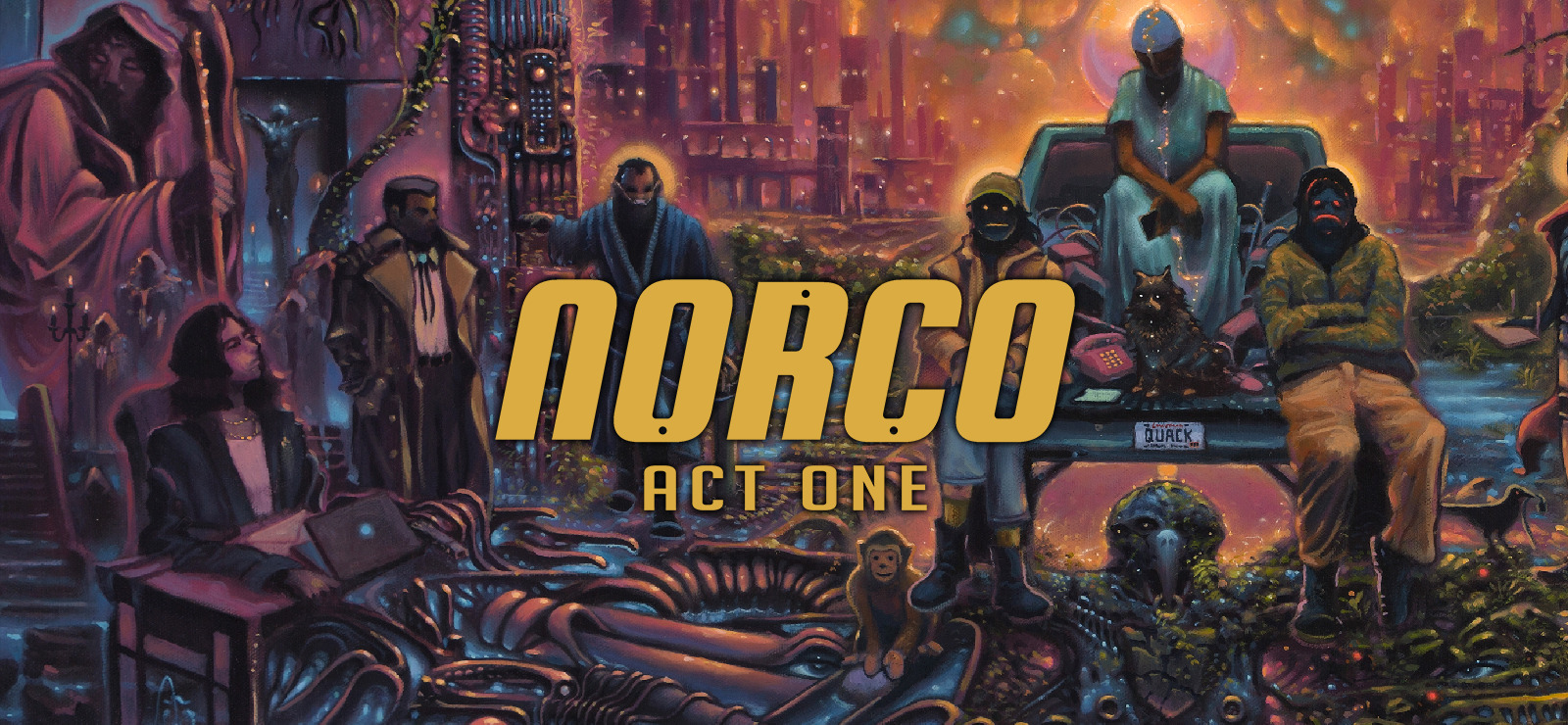
Some demos allow players to carry over items, achievements, and story elements into the full game, as seen in NORCO's Act One demo. This seamless transition from the demo to the full title keeps players hooked and invested in their progress.
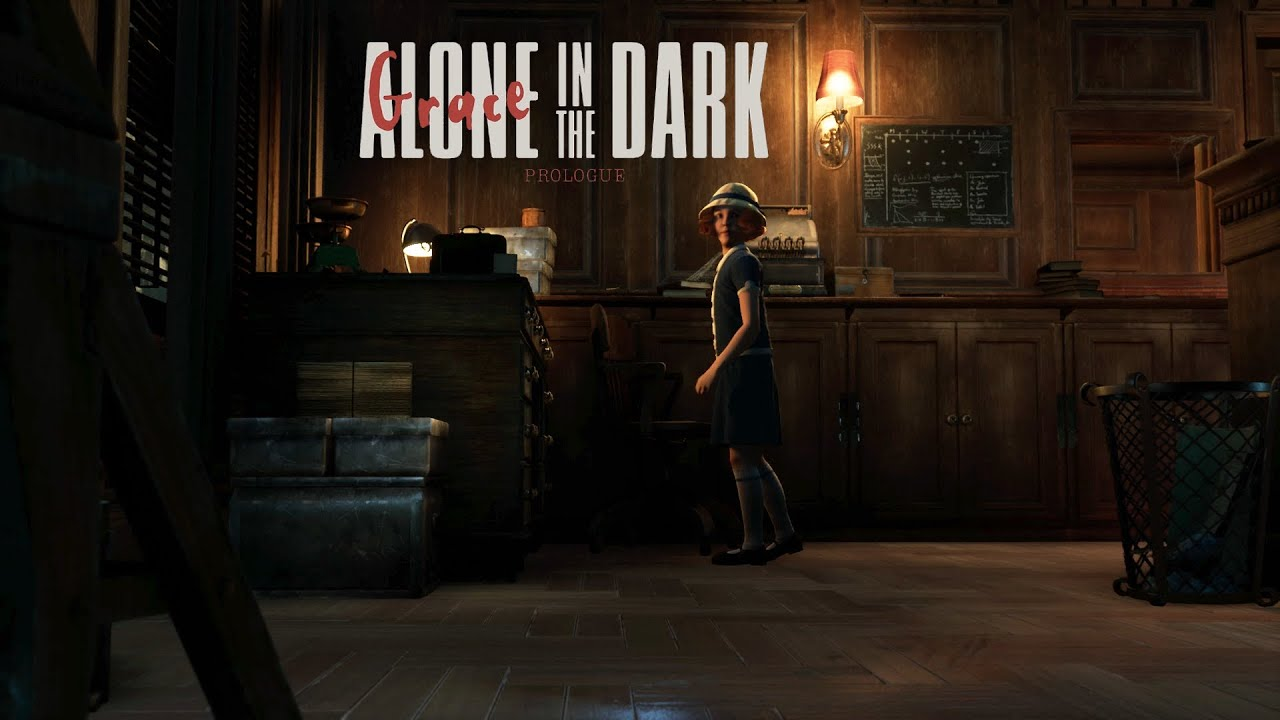
Even if game demos don't serve as direct prologues to the main story, incorporating small snippets of narrative can result in captivating experiences. Alone in the Dark's prologue unfolds its unique story within the same world as the main game, delivering a standalone narrative that enriches the overall gaming experience.
Maximizing feedback for your demoPrior to release, share your demo with your studio's team, industry colleagues, friends, and family. This will enable you to identify and address more bugs while also intergrating valuable early feedback to enhance the clarity of your demo, fine-tune action sequences to maintain player engagement, and ensure that your demo mirrors your game's full potential.
Your game demo serves as the initial introduction to your title, and it should not only appear polished but also deliver a seamless experience. Eliminate problematic features, address any potential crash-inducing elements, and resolve critical bugs, It's essential to ensure your demo functions smoothly across the range of platforms and PC configurations you intend to support.
*Source: 80 Level
https://80.lv/articles/attracting-investors-and-publishers-with-game-demos